
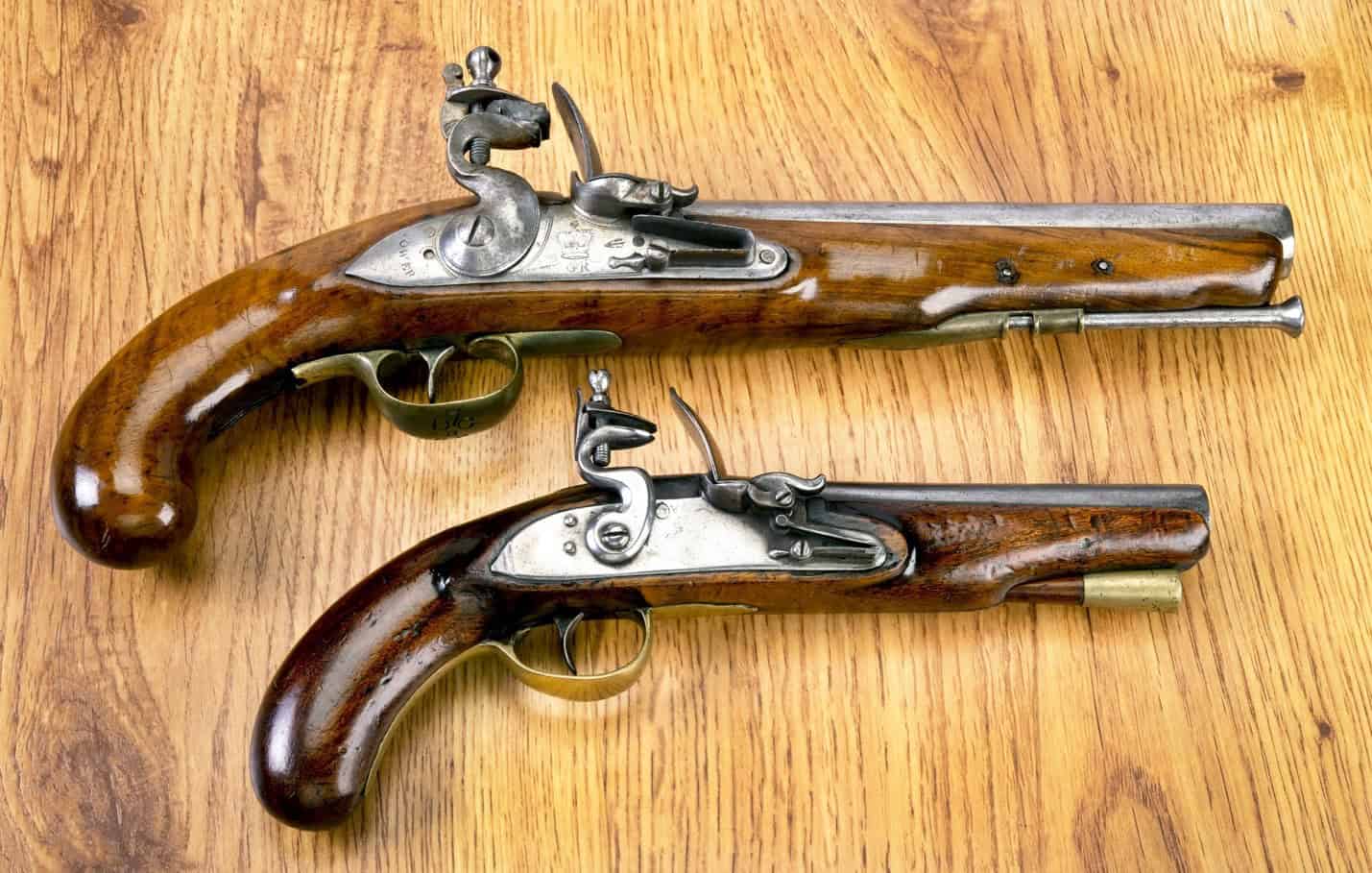
During the estate planning process, it is important to consider all of your assets. Homes, vehicles, and accounts come to mind first, but gun owners should also plan for what happens to their firearms if they die or become incapacitated.
A gun trust is one way to do that, particularly for firearms regulated under the National Firearms Act. This page explains how a gun trust works, what changed federally in 2026, and why Colorado law still matters.
How Does a Gun Trust Work?
A gun trust is usually a revocable trust created to hold firearms. Once firearms are transferred into it, the trust owns them, and the trust document names the trustees who may possess and use them and the beneficiaries who receive them later. The basics of the difference between a will and a trust apply here too.
A revocable gun trust can be changed or revoked during the owner’s lifetime and typically becomes irrevocable at death. A successor trustee then administers it for the beneficiaries under the terms the owner wrote.
NFA Firearms and Who Counts as a Responsible Person
Gun trusts are often called NFA trusts because they are commonly used to hold firearms regulated by the National Firearms Act. Those include machine guns, short-barreled rifles, short-barreled shotguns, silencers, destructive devices, and items the law calls any other weapons.
When a trust applies to make or acquire an NFA firearm, each responsible person must complete ATF Form 5320.23 and submit photographs and fingerprints.1 A responsible person is anyone with power under the trust or state law to receive, possess, ship, transport, or transfer a firearm for the trust. In practice that usually means every trustee.
That rule has applied since 2016, so a gun trust no longer avoids background checks or fingerprints. What a trust still does is let several named people lawfully share possession and give the owner control over who receives the firearms later.
What Changed Federally in 2026
Two federal changes reached NFA owners in 2026. First, on January 1, 2026, the making and transfer tax dropped from $200 to $0 for silencers, short-barreled rifles, short-barreled shotguns, and any other weapons.2 Machine guns and destructive devices still carry the $200 tax.
Second, after a federal court ruling, ATF announced on October 9, 2026 that it will not enforce the NFA approval, registration, and tax-stamp requirements for those same four categories.3 The policy does not cover machine guns or destructive devices, and the Gun Control Act still requires ATF approval to move a short-barreled rifle or shotgun across state lines.
ATF’s guidance describes this as enforcement discretion, and it states that state laws are not affected. A policy like this can change, so treat registration decisions as something to revisit with counsel rather than a settled question.
Why Colorado Law Still Matters
Colorado makes it a felony to knowingly possess a firearm silencer, machine gun, short shotgun, or short rifle, which the statute calls dangerous weapons.4 The statute provides an affirmative defense for a person who has a valid permit and license for possession of the weapon.
Federal NFA registration has long been how Colorado owners meet that defense. Whether an unregistered item now qualifies is not settled, so a Colorado owner should not drop federal registration without advice from a firearms attorney.
The 2026 changes make gun trust planning more nuanced, not less, especially in Colorado. Johnson Law Group offers a no-pressure consultation to review your trust and your inventory, so schedule a consultation before you transfer or register anything.
Reasons Colorado Owners Still Use a Gun Trust
- Shared lawful possession: Every trustee who has cleared the required background check may possess the trust’s NFA firearms. An individually registered NFA firearm, by contrast, belongs to one person.
- Avoiding probate delay: Assets held in a trust pass under the trust’s terms rather than through probate, which keeps the firearms out of a court process that may take months.
- A plan for the transfer at death: Federal rules allow a tax-exempt transfer of a registered NFA firearm to a lawful heir after the owner’s death, using ATF Form 5.5 The trust tells the successor trustee who receives what and in what order.
- Protecting the people who handle the estate: A personal representative unfamiliar with firearms law can commit a crime by possessing or handing over an NFA item incorrectly. A trust with clear instructions and qualified successor trustees reduces that risk.
A gun trust is not right for every owner, and a trust drafted from an online form may not track Colorado law or your family. Each estate is different, and the number and type of firearms you own shape the plan.
Contact a Colorado Estate Planning Lawyer About Gun Trusts
Planning for firearms means working through federal, state, and local law at once, and in 2026 those rules are moving. Johnson Law Group is here to help.
The attorneys at Johnson Law Group help gun owners fold firearms into an estate plan and will give you a clear read on what the current rules require. Schedule a free consultation through our Colorado offices, and we will serve as your North Star from here.
Sources
[2] ATF, National Firearms Act guidance page – $0 making and transfer tax for silencers, SBRs, SBSs, and AOWs; $200 for machine guns and destructive devices | https://www.atf.gov/nfa
[3] ATF Open Letter, October 9, 2026 – Non-enforcement of NFA approval, registration, and tax-stamp requirements for SBRs, SBSs, silencers, and AOWs; GCA transport rules continue | https://atf.gov/media/30961/download
[4] C.R.S. § 18-12-102 – Possessing a dangerous or illegal weapon; affirmative defense for a valid permit and license | https://colorado.public.law/statutes/crs_18-12-102
[5] 27 C.F.R. § 479.90a and § 479.90 – Estates; tax-exempt transfer of registered NFA firearms to lawful heirs (as added by Final Rule 41F) | https://www.federalregister.gov/documents/2016/01/15/2016-00192/machineguns-destructive-devices-and-certain-other-firearms-background-checks-for-responsible-persons