
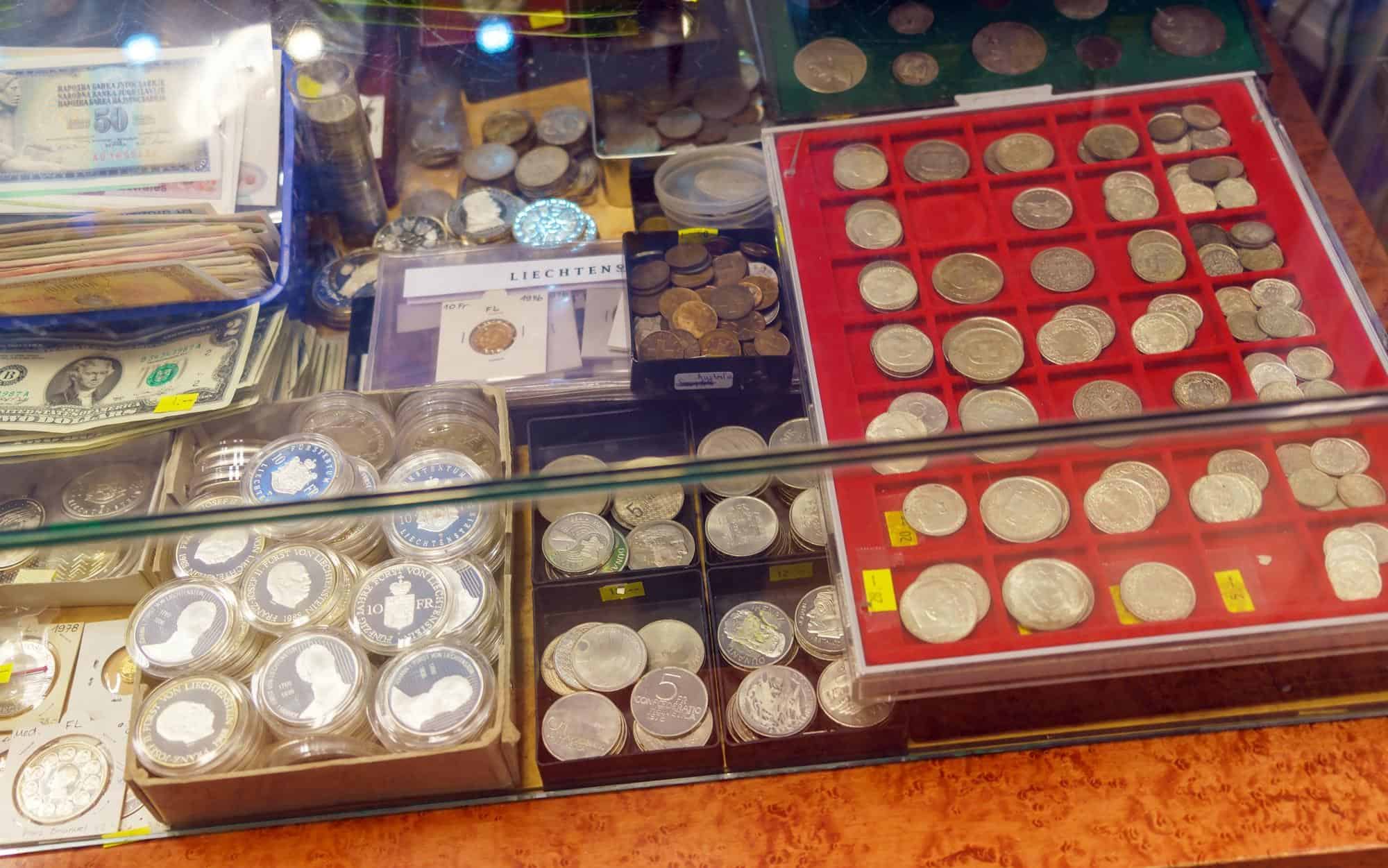
Documenting a collection is the part you control. The tax treatment is often misunderstood, and it is usually gentler than people expect.
Collectibles form a valuable part of one’s personal wealth. They are diverse and unique, and commonly consist of jewelry, paintings, watches, rare wines, sculptures, artwork, books, silverware, stones, coins, and antiques.
Real estate and publicly traded investments are straightforward to value. Collectibles are not, which is why the planning for them looks different.
Maximizing the Value of Collectibles for Estate Planning
Maintain Proper Records
It is essential to record and preserve all important information and documents related to the collectibles. Purchase date and amount, where and why it was bought, authentication records, provenance, insurance, appraisals, and taxes all matter for valuation later.
Photographs and written notes describing each piece and anything unusual about it are worth the time. The person who has to value this collection may never have seen it.
Discuss With Family Members and Legal Heirs
Collectibles carry emotional value alongside financial value. It is worth telling your family why the collection matters to you, and finding out whether any of them share the interest.
That answer shapes the plan. Choosing someone who can actually manage and value the collection matters more here than in most estates, and family members should be shown how to physically preserve it.
Tax Planning
A strategy helps avoid a forced sale of pieces below fair market value to meet a tax bill. The options include annual gifts of up to nineteen thousand dollars per recipient, donating to a charity or museum, or funding a trust with the collection.1 Check the exemption before assuming estate tax is the problem, because the 2026 exclusion is fifteen million dollars per person.
Prepare for Unseen Circumstances
A collector may become incapacitated and unable to manage the collection. A durable power of attorney lets you name an agent to manage it according to your wishes. It can be revised or revoked while you have capacity, and it ends at death.
Without one, a family may need a Colorado guardianship or conservatorship to deal with the collection while you are still alive.
Include Collectibles in a Written Estate Planning Document
Name the collectibles specifically in the documents rather than relying on a general clause. Where there are several, divide and designate them among the heirs explicitly.
Instructions about shipping and storage can go in as well. Those are the details that cause arguments when they are missing.
Collectibles and Taxation Aspects
The Internal Revenue Service defines collectibles to include any work of art, any rug or antique, any metal or gem, any stamp or coin, and any alcoholic beverage.2 Colorado imposes no estate tax for deaths after December 31, 2004, though federal rules still apply.
Collectibles are capital assets, and the figure most often quoted about them is misleading. Twenty-eight percent is the maximum rate on long-term collectibles gain rather than a flat rate, so someone in a lower bracket pays the lower rate.3 Gain on a piece held a year or less is taxed at ordinary rates instead.
For an estate plan the more useful rule is the one about basis. Property acquired from a decedent generally takes a basis equal to its fair market value at the date of death.4 An heir who sells shortly after inheriting therefore has little or no gain, whatever the piece originally cost.
A lifetime gift works the other way, because the person receiving it generally takes your basis with it.5 A piece bought for a thousand dollars and worth fifty thousand produces a large gain if you or a donee sell it, and almost none if your heir does.
Planning around a collection?
The documentation is the part worth doing now, because nobody else can reconstruct it later. Schedule a free consultation with Johnson Law Group and we will work through how the collection should be handled.
Qualified Appraiser
A qualified appraiser is someone who has either received professional certification from a relevant organization or has the education and experience necessary to perform appraisals. That standard applies when you claim a charitable deduction for donated property.6
Estate tax has its own rule and it only bites when a federal estate tax return is filed. The trigger is household and personal effects including articles of marked artistic or intrinsic value totaling more than three thousand dollars.7
The appraisal of an expert, under oath, must then be filed with the return. The regulation’s own examples include jewelry and coin or stamp collections.
There is a separate route for higher value art. A taxpayer can request a Statement of Value from the Internal Revenue Service for an item appraised at fifty thousand dollars or more.8
When choosing an appraiser, look at the certifications, the experience, and whether they have worked with this kind of collectible and this market before. Familiarity with the market is the part people skip.
Fair Market Value of Collectibles
Fair market value is the price at which property would change hands between a willing buyer and a willing seller. Neither is under any compulsion to buy or sell, and both have reasonable knowledge of the relevant facts.9 Two points follow from that definition.
The value should not be calculated from a forced sale price. It should also not be determined by reference to a market other than the one where the item is commonly sold.
Demand and Supply
The general rule of demand and supply applies to collectibles. Trends move the demand for a particular type, and higher demand means higher prices while weaker demand means lower ones.
Provenance
Provenance means the chain of title or past ownership of the item. If it was held by a known figure at some point, it may be worth more.
Condition
Condition has a significant impact on value, which is the practical argument for taking proper physical care of a collection.
Rarity
The more one of a kind an item is, the higher the price it tends to reach.
Comparable Sales
Similar sales in a similar market inform the price. This is the factor an appraiser will lean on hardest, and it is why records of what you paid and when are worth keeping.
Frequently Asked Questions
Will my collection be hit by estate tax?
Almost certainly not. The federal estate and gift tax exclusion is fifteen million dollars per person for 2026, or thirty million for a married couple using portability. Colorado imposes no estate tax on residents who died after January 1, 2005.
Is the tax on collectibles really 28 percent?
Not as a flat rate. Twenty-eight percent is the maximum rate on long-term collectibles gain, so someone in a lower bracket pays the lower rate. Gain on a piece held a year or less is taxed at ordinary rates instead.
How much can I give away each year without tax?
The annual gift tax exclusion is nineteen thousand dollars per recipient for 2026. You can give that much to any number of people without using your lifetime exemption or filing a gift tax return.
Is it better to give a piece away now or leave it in my estate?
They are taxed very differently. Property acquired from a decedent generally takes a basis equal to its fair market value at the date of death, so an heir who sells soon after has little gain. A lifetime gift carries your original basis to the person receiving it.
When does an appraisal become mandatory?
Only in specific situations. When a federal estate tax return is filed, articles of marked artistic or intrinsic value totaling more than three thousand dollars need an appraisal by an expert, under oath. A charitable deduction for donated property has its own qualified appraisal rules.
Learn How a Colorado Attorney Can Help
Planning for a collection is a multi-step process involving taxation, fair market value, and a defensible appraisal. The documentation is the part you can do now and nobody else can do later.
You can read about the background and experience of the attorneys on our team. You can find our offices in Denver, Colorado Springs, Commerce City, Englewood, and Fort Collins.
Johnson Law Group works with families across Colorado. Schedule a free consultation to talk through how your collection should be handled.
Sources
[2] 26 U.S.C. § 408(m) – the definition of a collectible, covering any work of art, rug or antique, metal or gem, stamp or coin, and alcoholic beverage | https://www.law.cornell.edu/uscode/text/26/408
[3] 26 U.S.C. § 1(h)(4) and (5) – long-term gain on collectibles is taxed at a maximum rate of twenty-eight percent rather than a flat twenty-eight percent, so a taxpayer in a lower bracket pays the lower rate | https://www.law.cornell.edu/uscode/text/26/1
[4] 26 U.S.C. § 1014 – basis of property acquired from a decedent; the basis is generally the fair market value at the date of death | https://www.law.cornell.edu/uscode/text/26/1014
[5] 26 U.S.C. § 1015 – basis of property acquired by gift; the donee generally takes the donor’s basis | https://www.law.cornell.edu/uscode/text/26/1015
[6] Treasury Regulation § 1.170A-17 – the qualified appraisal and qualified appraiser requirements that apply to a charitable contribution deduction for donated property | https://www.law.cornell.edu/cfr/text/26/1.170A-17
[7] Treasury Regulation § 20.2031-6(b) and (d), as restated in IRS Revenue Procedure 96-15 – where household and personal effects include articles of marked artistic or intrinsic value totaling more than $3,000, the appraisal of an expert or experts, under oath, must be filed with the estate tax return, accompanied by the executor’s declaration under penalties of perjury; appraisers must be reputable and of recognized competency for that class of property | https://www.law.cornell.edu/cfr/text/26/20.2031-6
[8] IRS Revenue Procedure 96-15 – a taxpayer may request a Statement of Value from the Internal Revenue Service for an item of art appraised at $50,000 or more | https://www.irs.gov/pub/irs-drop/rp96-15.pdf
[9] Treasury Regulation § 20.2031-1(b) – fair market value is the price at which property would change hands between a willing buyer and a willing seller, neither being under any compulsion to buy or sell, both having reasonable knowledge of the relevant facts | https://www.law.cornell.edu/cfr/text/26/20.2031-1